Monstrous Ecologies: A Guided Relearning
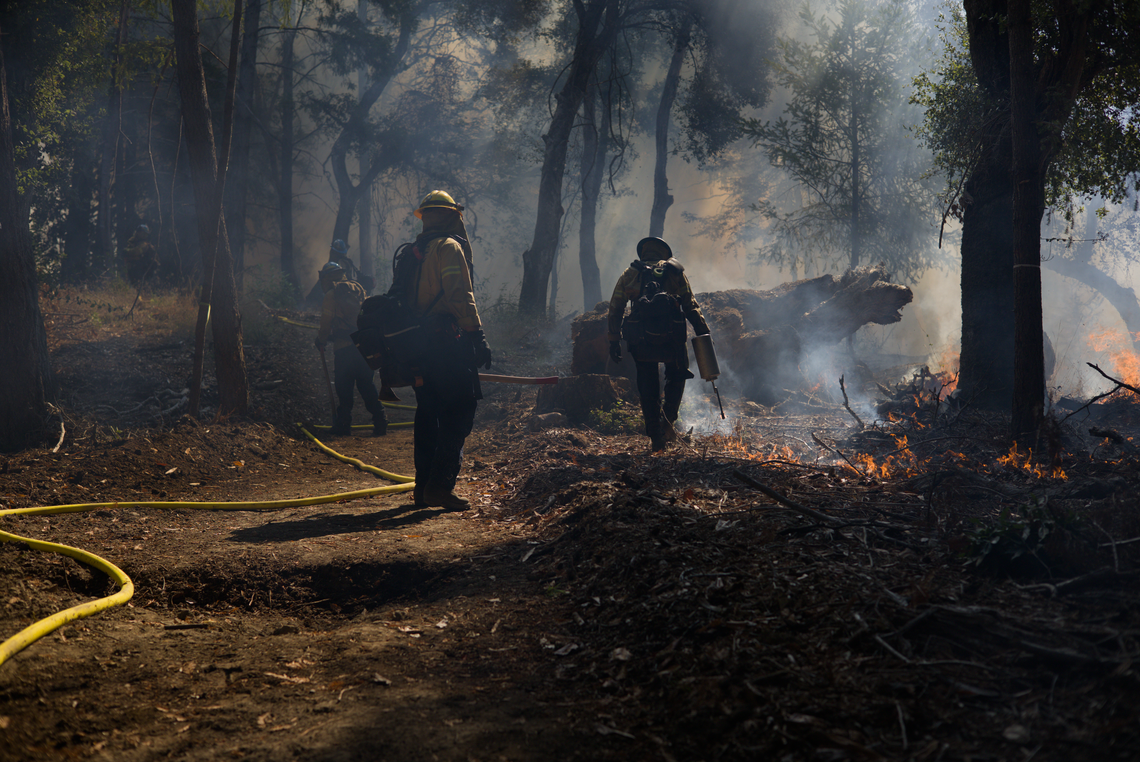
A digital field guide that uses an interactive Google Earth "trail map" to explore misunderstood ecologies. This work-in-progress follows characters often cast as villains in our land-based stories, such as wildfire, and reframes them as teachers rather than threats. Through geotagged points, story fragments, and curated links to outside sources, Monstrous Ecologies invites deeper reflection on how myths of danger can become practices of care, reciprocity, and cultural memory.
Creative Technologies Portfolio
Selected works spanning creative coding, mapping, design tools, and ecological storytelling. This collection highlights prototypes, interfaces, and research artifacts developed across my Creative Technologies coursework at UC Santa Cruz (2024–2026), demonstrating how I integrate digital tools with environmental and social justice inquiry.
An investigation into how housing policy, economic vulnerability, and defensible space requirements shape access to disaster resilience funding opportunities in the Wildland–Urban Interface (WUI). This research proposal outlines a future sociological study to improve equitable preparedness pathways for rural and exurban communities. It serves as the basis for my January 2026 poster session at the Santa Cruz Mountains Stewardship Network Science & Stewardship Symposium.